Jumping worms??

canesisters

Garden Master
Joined
Nov 16, 2011
Messages
5,688
Reaction score
7,491
Points
377
Location
Southeast VA
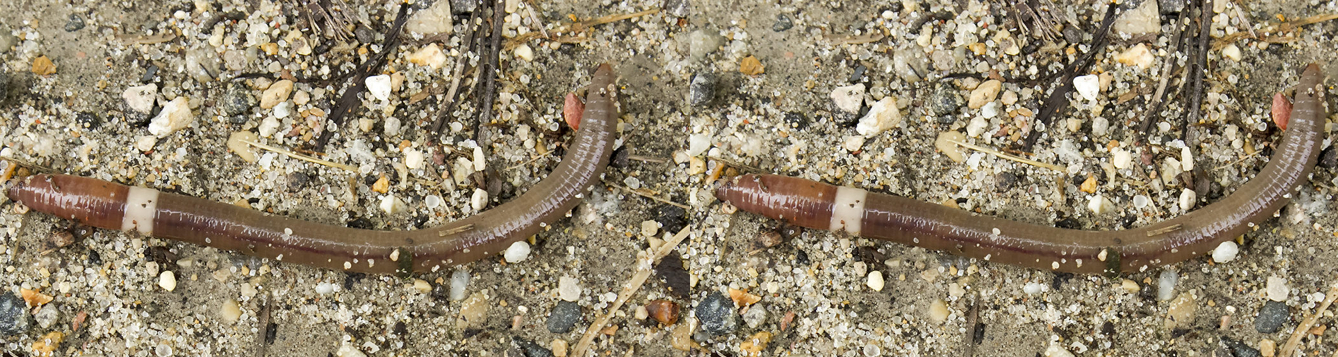
I can't go a day on F.book & podcasts & such without someone asking to identify a picture of a worm.
Have yall had much of a discussion about them here?
The general consensus seems to be : ya can't beat'um.. just try to learn to live with them
🤔
 
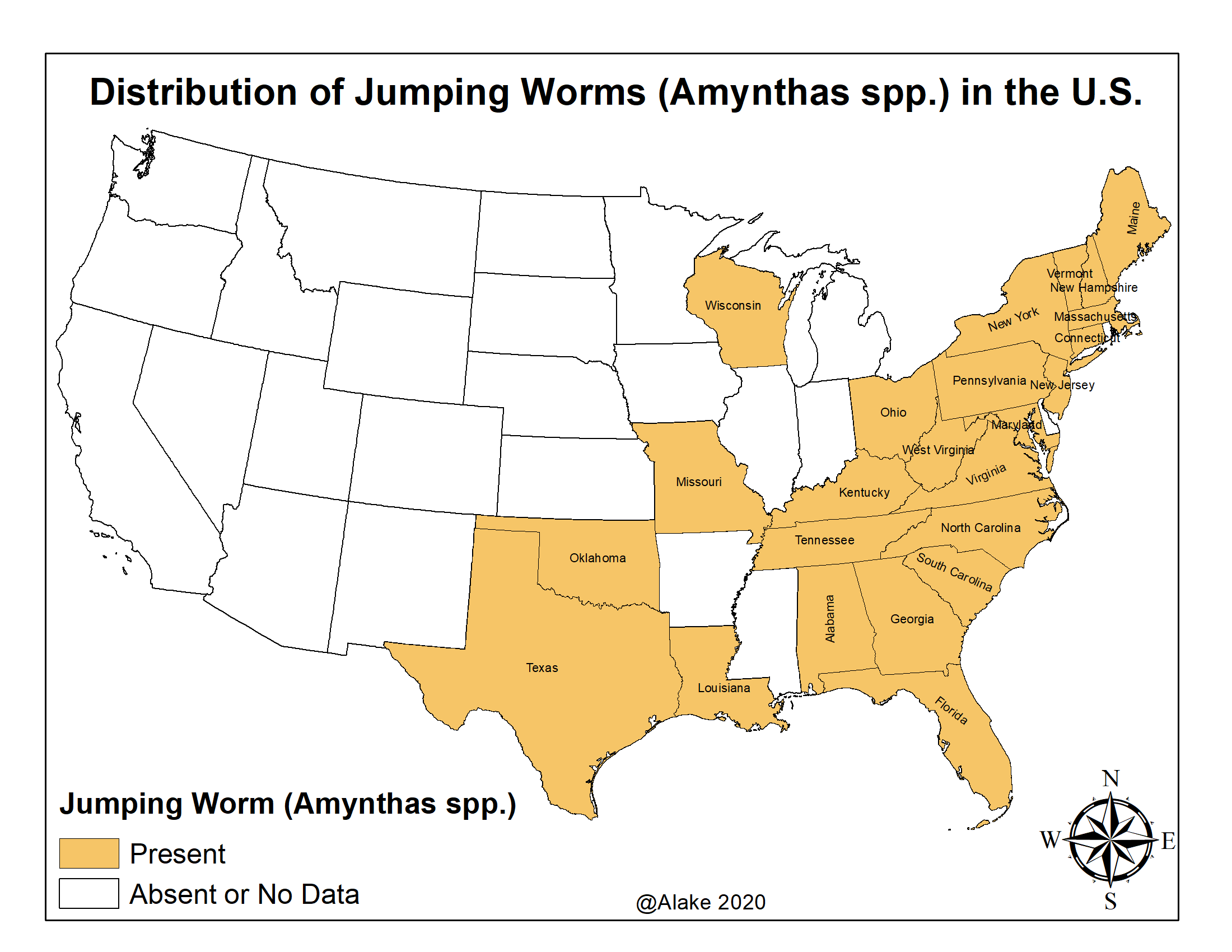
a.k.a. 'crazy worms'. Supposedly we have them in Wisconsin, although I can't find a map to show where they've been found. They thrive in mulch or leaf litter - so perhaps in compost as well? It makes me really nervous about bringing in any soil or plants from elsewhere, even locally. They are a genie best kept in the bottle... but they'll probably worm their way into my location eventually, like every other invasive we are currently dealing with. :mad:
 
have not heard anything about them yet. don't have any idea what they look like or what they might damage.

at first i thought you were talking about any worm in general.

ok, i'm now educated. :) we do not have them in our gardens and i do not have any in my worm buckets.
 
Last edited:
University of Florida

Worms.png


University of Florida

Worms.png


The itty bitty Cornell Cooperative Extension map shows dots for sitings, with dots in Michigan, Illinois, Indiana and edging into Minnesota. ☹️ (these are states that aren't marked on University of Florida map)
 
That map is the only one I've seen since the alert was issued. It does not give more detailed info on specific sightings within the highlighted states, and my searches have not yet discovered a site-specific map for Wisconsin. Since this is an invasive which can be transmitted by soil or compost - and potted plants - it would be enormously helpful to identify specific areas that are infested. I fully expect that those worms will eventually find their way into municipal composting operations, and spread rapidly as that compost is used. :( I hope that nurseries are being especially watchful.
 
That map is the only one I've seen since the alert was issued. It does not give more detailed info on specific sightings within the highlighted states, and my searches have not yet discovered a site-specific map for Wisconsin. Since this is an invasive which can be transmitted by soil or compost - and potted plants - it would be enormously helpful to identify specific areas that are infested. I fully expect that those worms will eventually find their way into municipal composting operations, and spread rapidly as that compost is used. :( I hope that nurseries are being especially watchful.
Check out the link I posted. The "Jumping Worms Fact Sheet" (scroll down for it) has dots for specific sightings. Not sure if I'm allowed to link to the sheet directly since it is a pdf.
 
Cornell Cooperative Extension has a "Jumping Worms Fact Sheet" that contains a map (it is linked on this page): http://ccetompkins.org/environment/invasive-nuisance-species/invasive-pests/jumping-worm

I'd never heard of these.

eta: the map is itty bitty, but it's labeled as "Data from iMapInvasives (2020)." so maybe there is a better way to view it.
The itsy bitsy size of the map is the problem, since one of the sightings appears to be located near me... I wish that map was zoomable. I purchase nursery stock from nearby counties, so if I knew the specific site, I would avoid purchasing from that area. With all of my ash trees dying from Emerald Ash Borer, I may be planting a lot of trees in the near future - and don't want to follow one tragedy with another. :(
 
The itsy bitsy size of the map is the problem, since one of the sightings appears to be located near me... I wish that map was zoomable. I purchase nursery stock from nearby counties, so if I knew the specific site, I would avoid purchasing from that area. With all of my ash trees dying from Emerald Ash Borer, I may be planting a lot of trees in the near future - and don't want to follow one tragedy with another. :(
Oh dear. The map source offers free accounts, but I've no idea what access that gives a person. I would expect the original map to be larger and perhaps offer specific details about each sighting.
 

Latest posts

Back
Top