A friend of mine works with a local Boy Scout Camp. He was an Eagle Scout and volunteers there.
It is Very overgrown by native/other trees.
I drive past MANY, MANY thickets just like the camp. Some of the trees are invasive, some are natives, ALL are too thick to walk in between.
I heard recently on the radio that the camp was working with a company who had planned to harvest some 120 of those trees. HE told me it was closer to 1,200 trees.
I GOTTA believe that the company is harvesting the trees to sell them for lumber.
DD's just went to their local city counsel meeting this week over too many trees in their 1,300 population town tagged for removal. The city said that they will shelve it for a few months, as there is some local friction and a few signs--"SAVE our TREES," stuff like that.
I am thinking that, just like in Atlanta after the Civil War, there is building and lots of unused trees in thickets that Really need to be cleaned up.
Even Scarlett O'Hara recognized that rebuilding Atlanta needed all of that "Georgia (yellow) pine".
Around me, there are literally THOUSANDS of Princess Trees (
Paulownia tomentosa) all along every single highway. They are considered a major weed tree.
From what I understand, in their native Japan, Paulownia wood (called
kiri) is considered very desirable, and quite expensive. So I have often wondered why no one has ever come up with the idea of cutting trees down here and exporting the lumber. Given the price the wood is supposed to get in Japan, I'd imagine it would well offset the shipping cost.
On a more personal note, on the property line between us and out neighbors, there is a oak tree with an ENORMOUS burl on it. We have had a standing agreement with each neighbor who has lived there that, should that tree ever have to come down, the chunk with that burl is NOT to be allowed to be taken away by the tree
cutters ON PAIN OF DEATH! Given the size, it's probably a $20,000 to $40,000 burl (though the fact that an earlier neighbor's kid managed to get a dart stuck inside of it, the metal part of which is probably still there, might diminish the value somewhat.
A lot depends on what the wood will be used for. If for ornamental and carving purposes, a lot of pieces could be salvaged from one that is 10" in diameter. The bigger the diameter, the more valuable the tree will be.
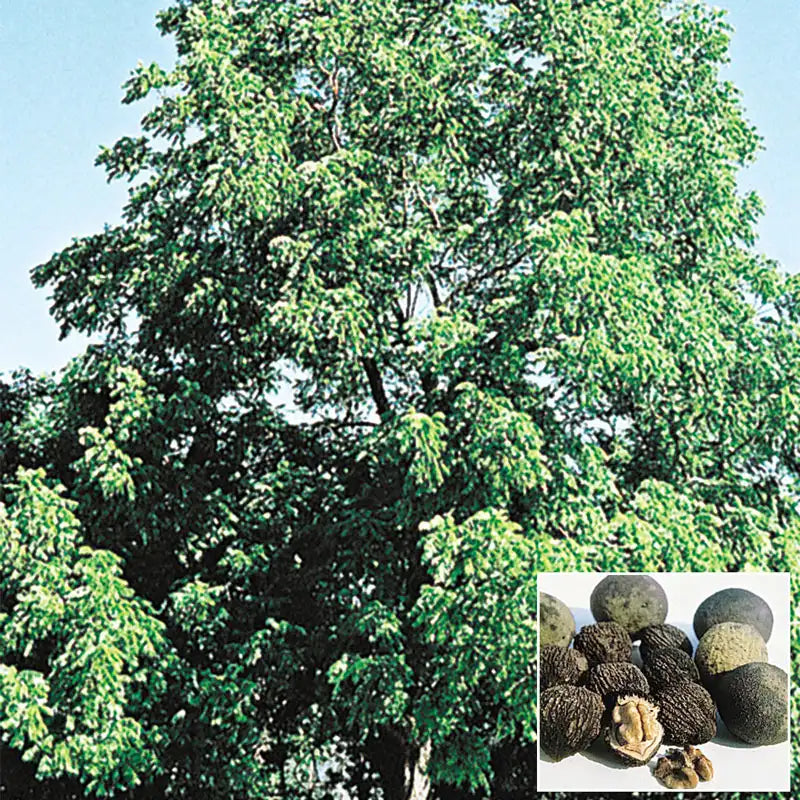
I have tried multiple time to start Black Walnuts here without success. The January and February thaws followed by sub zero temps are killers.
if Black Walnut is giving you trouble, and you can find a source* you might want to look into Manchurian Walnut. That's supposed to be cold hardy down to zone 2, so it can comfortably grow in ALASKA!
*There IS a source for seeds I know of on Etsy, but as it is located in Russia, this is probably not the time to be ordering it.








 i love the smell and habit of these plants so it is really frustrating to me that i can't enjoy them more and Mom loves the smell and look of them too.


