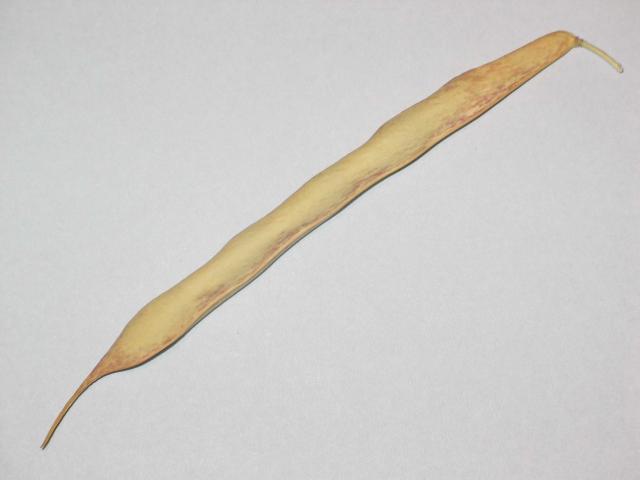
I took the pictures but am having a hard time loading into my computer. I'll get it.
I have 14 paper plates of dry beans with 13 varieties of beans on them. The Coco Rubico ripened almost all of their pods at once and I have them on two plates there are so many.
Russ, I guess the Vermont Appaloosa do an initial dry in the pod to white with dark bluish grey marks and then cure to those shades of brown over the course of months?
All are doing well but the PXBT seem to struggle with the heat. I already have a slight increase from them, and there should be some more. Dapple Grey is just starting to make pods. They sure make nice plants that are very lush and green. The Vermont Appaloosa next to them seem like country cousins.

Black Coco should have some pods any day now good and dry.
Wren's Egg, that's the variety the mouse got most of the plants of and I reseeded, gave me a nice sample pod off one of the older plants. I believe Wren's Egg is a true multi-purpose bean. Nice tender juicy thick pod at most all stages from small to appalachian beans and bacon size, and they look and smell like great shelly beans with good size, and oooh, they'd sure look good in a 3 bean salad! I bet they'd make a better senator soup than navy beans too.
Oh, the Mitla Black Tepary, scimitar pod selection and the big tall plant selection are both making pods. So are most of the other tepary beans. For some reason the blue speckled plants are small this year. They'll produce though. Golden Speckled Paiute is really going to town. Teparies need picking nearly every day once they start ripening else they could shatter.
Harvey's White Haricot Tendrais pole bean is climbing very tall, signs of flowers pretty soon.
The Sierra Madre Star varieties will not be making pods for another month. Maybe sooner.
That wild California white Aster in the middle of my garden is already 3 times the size and height of any in the wild. I believe it'll bloom this year, september or october.