Another that would be worth a try is Ananas D'Amérique A Chair Verte Melon, aka Green Fleshed Pineapple.
Baker Creek used to carry it. Not sure who has it now. This is what they had on their website: This historic heirloom was grown by Thomas Jefferson in 1794. It was offered commercially in the USA in 1824, and it was illustrated in color in France in 1854 in the Vilmorin Album. This wonderful variety has become very rare. The fruit have netted skin and light green flesh that is firm, sweet and highly perfumed. Productive plants can be trained up a trellis.
Another site said:
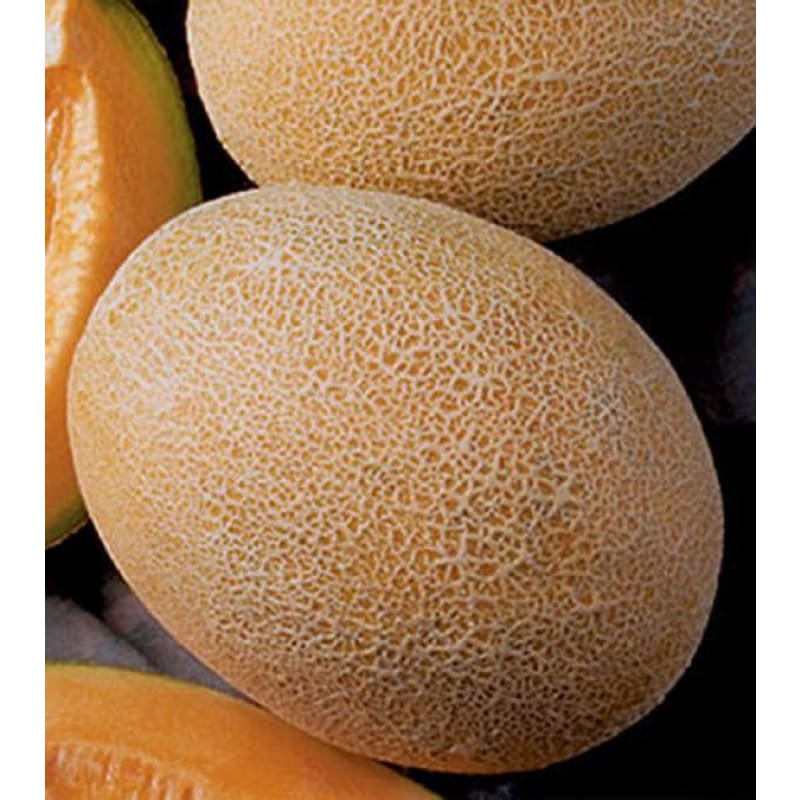
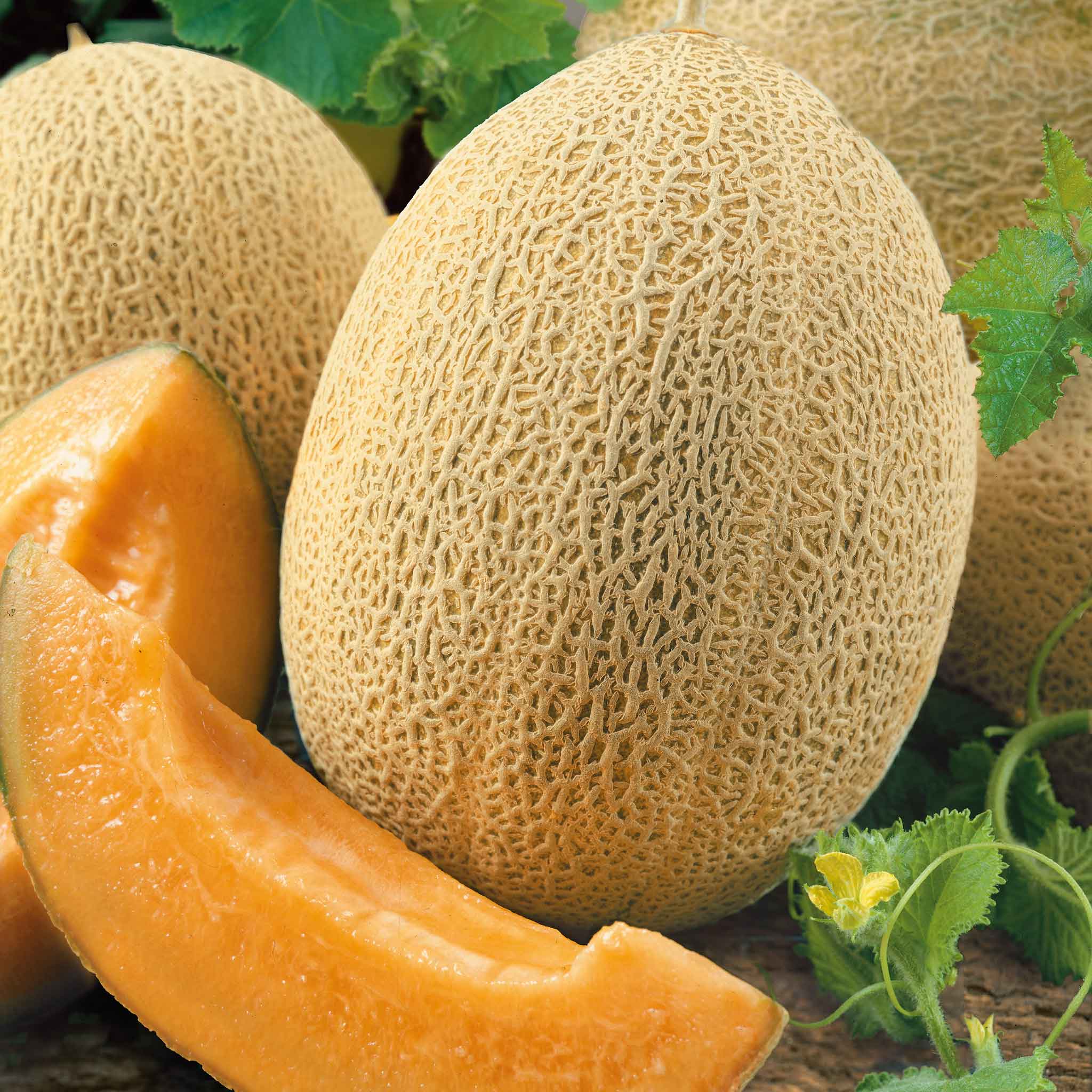
Melon, Melone Ananas Ananas Melon. Ananas means pineapple in Italian and this netted melon has the aroma of pineapple. Large fruit on a vigorous and productive plant. Netted melon with yellow sweet flesh. Ananas melons are small to moderately sized, oval fruits, averaging 12 to 17 centimeters in diameter. The rind is firm, ranging in color from green to golden yellow depending on maturity, and is covered in a rough, tan netting. Underneath the thin rind, the flesh is aqueous with a soft but dense consistency, encasing a small cavity of light brown seeds suspended in a gelatinous liquid. The flesh also ranges in color from pale yellow to ivory, but depending on the specific variety, it may also appear pale green, orange, to white. Ananas melons have a notable, perfumed aroma similar to the scent of pineapples. When ripe, the melons bear a sweet, tropical, and floral flavor followed by a faint, caramel-like aftertaste.
Ananas melons, botanically classified as Cucumis melo, are sweet fruits belonging to the reticulatus group, which encompasses melons with rinds covered in a rough netting. Ananas in French and Italian translates to mean “pineapple,” and the melon received its tropical name from its sweet, floral taste and aroma. Ananas melons have also acquired many other names over time, including Sharlyn melons, Pineapple melons, Khoob melons, Israeli or Middle Eastern melons, and Ananas D’Amerique a Chair Verte in France. Ananas melons are considered to be somewhat rare, seasonally found through specialty growers, and there are multiple sweet melon varieties varying in appearance that are generally labeled under the Ananas name in local markets and home gardens.
The history of Ananas melons is mostly unknown, with some experts connecting it to older melon varieties found in regions of Northern Africa and the Middle East. The sweet melon variety became popular in the United States and was first documented in the 19th century, where it was featured in multiple American seed catalogs in 1824. Ananas melons were also famously noted in M.M. Vilmorin-Andrieux’s book "The Vegetable Garden" in 1885. Today Ananas melons are somewhat rare to find and are grown for specialty markets, especially in Europe and the United States. 90-95 days.