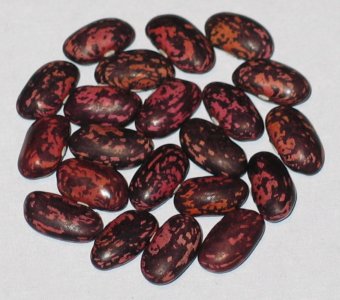
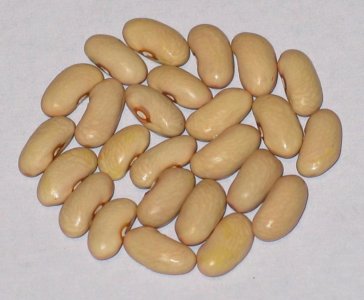
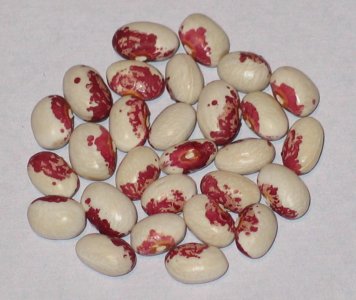
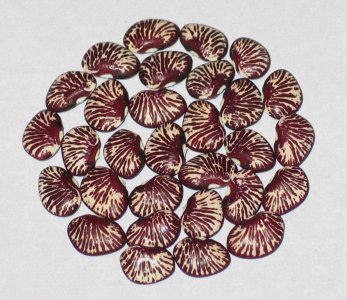
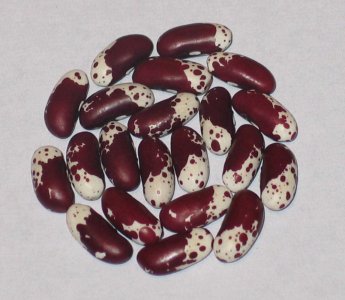
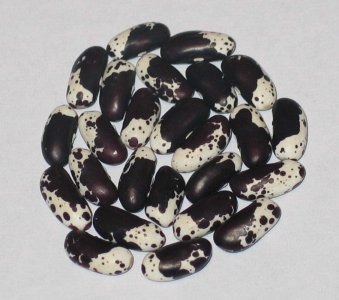
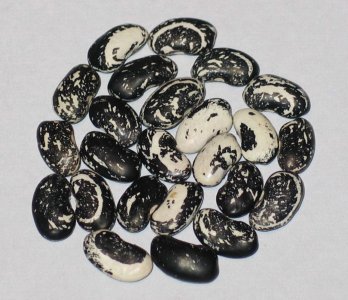
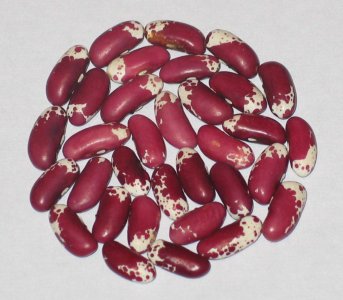
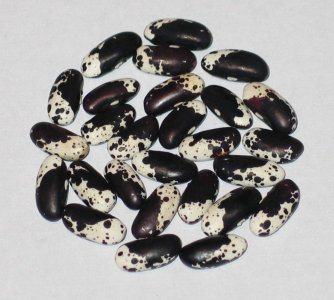
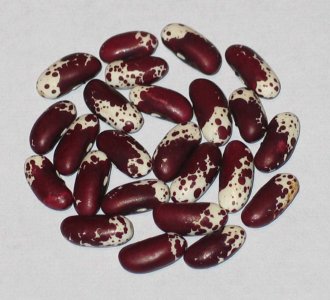
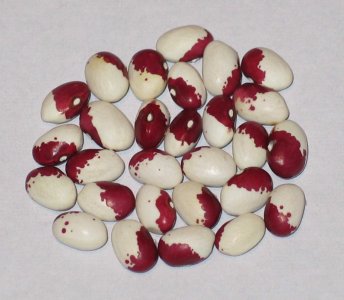
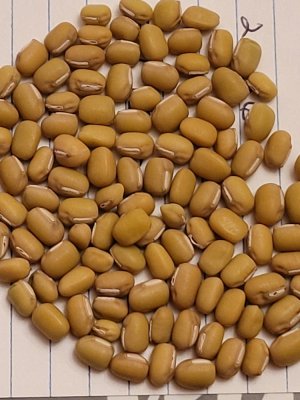
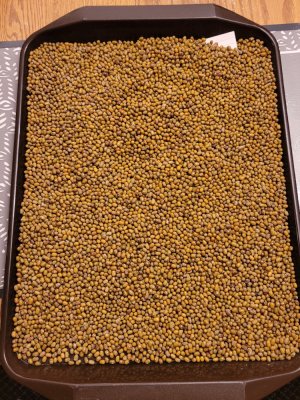
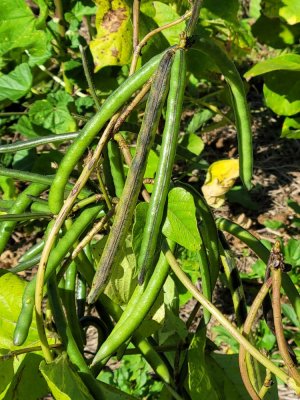
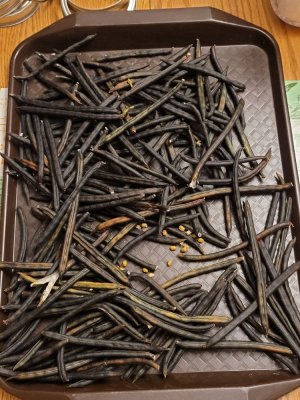
You can add "October bean" and "Borlotto bean" to the possible 'horticultural bean' synonyms (as if more confusion was needed).

If it's any comfort to you
@heirloomgal , confusion over the term 'horticultural bean' has been occurring for a long time. The fact that the word 'horticultural" itself is used in both gardening & agricultural contexts does little to alleviate that confusion. Various definitions of 'horticultural bean' given over the years are often contradictory; so absent clarification by some higher authority (which is probably not forthcoming) that confusion is likely to remain inextricably attached to the term for as long as people grow beans. As an Appalachian bean aficionado once posted elsewhere, few garden terms are more confusing & contradictory than the bean lexicon.

In my opinion (if my opinion meant anything) 'horticultural' as a category should be used when a bean variety's best use is as a green shelled bean (shelly), as opposed to 'snap' or 'dry'. Whether the hull of that variety is tender or tough should be irrelevant. "Best use", of course, may always be a matter of personal preference... most of my best & largest shellies (including Jembo Polish this year) are categorized as snaps. It's enough to make your head spin.

And given that any bean - including snap beans - can also be used dry, even the term 'dry bean' is ambiguous, unless you restrict its meaning to include only beans with an inedible hull.

This topic was discussed at length on Gardenweb years ago, back when the bean forum there was very active. Although I can't find where the discussion actually started (it flowed over into several threads) I've linked one of those threads below, which you may find interesting. There is documentation cited which supports the likelihood that usage of beans in shelly stage was once more commonplace. I tend to agree with the opinion that cultural changes since then, in the way that we consume beans, have contributed to our current confusion.
Horticultural beans